
Flying Smart: Preventative Measures:
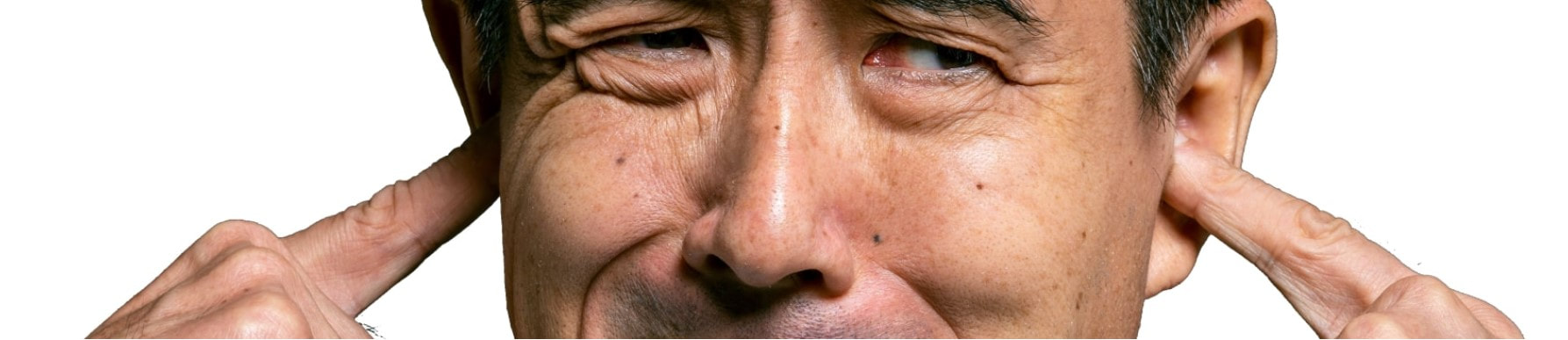
Don't let ear pain ruin your trip. Come and see Fay at Personal Best Studio & Clinic for a FREE ear check before you go.
Ear wax removal appointments available Tuesdays and Thursdays. £69 for both ears. Please be aware, if you require removal, you will need to use oil such as 'Earol' in your ears for at least 5-7 days before the procedure to achieve effective removal. Call and book now 01453 873811 or book online at www.personalbeststudio.co.uk Holidays are a wonderful time of year – where we all try to wind down and relax. And for many this involves a sunny destination, with a lot of lounging on sunbeds, reading or sunbathing and generally sitting or lying around for up to two weeks.  Both the change in daily routine and the very nature of being stationary for long lengths of time, can result in some unwanted back pain! Back pain on holiday is often due to lack of activity (or perhaps the opposite from over exertion with the children) on top of an already stiff spine. Regular mobilising stretches through the back, buttocks, shoulders and neck will help to avoid aches and injury. Start now, loosen up before you go! Follow this link for a helpful video on this subject.
Try to get up regularly, take a dip or a wander to keep everything moving and mobile. If you’re reading on your tummy, put your book on the floor at the head of the lounger and look over the top to keep your spine in a neutral position. The addition of a rolled/folder towel under your hips would help too. If you’re lying on your back, roll up a towel and place it under your knees to alleviate pressure on the lower back.
Finally, don’t stiffen up on route! If you’re flying or driving for any length of time, pop a rolled-up jumper or travel pillow in the small of your back for lumbar support. Move as much as possible – taking a break if you are driving or stand up and walk around if you’re flying. Simple exercises in your seat will help, such as buttock clenches, shoulder shrugs and foot circles.
If you have any niggles or concerns, book in for a spine check with a chiropractor, or to loosen up through the back and neck for more comfortable traveling, book in for one or two deep tissue massages before you go. Repetitive arm movements, such as digging, weeding, pruning, serving or striking a golf ball can leave you more susceptible to these types of injury.
Both conditions are primarily caused by overuse and repetitive stress on the forearm muscles and tendons, with insufficient recovery time between repetitive activities exacerbating tendon strain. Also, if you have weak or unbalanced muscles in the forearm, wrist, and hand this can increase susceptibility to both conditions. Similarly, a sudden increase in activity level increasing the intensity or duration of the physical activity without proper conditioning may also lead to tendon injuries. Understanding tennis elbow and golfer's elbow may help in both prevention and treatment of the injury. Watching players receiving treatment during matches at Wimbledon showcases the importance of injury prevention and treatment for athletes, but the same applies for all you weekend warriors! Whether it be power washing the patio, cleaning the windows, assembling flat pack furniture or hedge trimming, anyone involved in repetitive arm activities can provoke this painful condition! Radial Shockwave Therapy If you happen to suffer from either of the above, you may find that treatment with Shockwave may help.
Extracorporeal Shockwave Therapy treatment is a highly effective treatment for all of the conditions listed BELOW.
Did you know that your foot has 26 bones, 33 joints and over 100 muscles, tendons and ligaments. As we age, these bones and joints degenerate and the protective subcutaneous fat pad in the sole may diminish. Poor fitting shoes, excessive load or constant friction from physical activity all aggravate foot conditions which can show up more after the age of 60. It’s also not uncommon to find arthritis, clawing of the toes, bunions, corns and calluses and nail problems in our older clients.  Maintaining flexible and healthy feet so that you can enjoy your lifestyle as you age requires a little extra care. Implementing some good foot wellness habits at home, will pay benefits on the journey ahead. To help you, our Foot Health practitioners Louise and Fay have put together some simple tips for looking after your feet.
Take Care When Shoe Shopping One of the biggest causes of foot problems, as we mentioned, is wearing badly fitting shoes or fashion shoes that force your feet into tight toes and the like. But socks can also cause harm. Make sure you buy the right size – too large and they may bunch in areas around your feet and rub. Too small around the ankle or in the toes, and they may result in reducing the blood circulation. In terms of shoes, always wear the right kind for the type of activity you’re doing – so get specialist advice if you exercise by running or walking long distances, for instance. If you must wear high heels, try and limit the time you spend in them. Varying the height of heel, you wear can also help. Finally, one last handy hint: if you’re going shoe shopping, go in the afternoon! Your feet naturally swell as the day goes on, so afternoon shoe shopping helps you choose a pair that are comfortable all day long. If your feet are feeling neglected and unloved, perhaps a visit to our Foot health clinic will get them feeling and looking good! Treatments are available on Tuesday, Wednesday and Thursday 8.30 – 5pm. Call our reception team to find out more!
• The pressure points – The lower back, shoulders and wrists are the most obvious joints at risk for golfers through the repetitive nature of the golf swing but carrying a golf bag can also place an enormous strain on your neck. Take advantage of the latest golf accessories specially designed to help such as lighter bags and dual harness straps over shoulders to distribute weight evenly.
• Warm up – Golfers often don’t warm up properly before playing – if muscles are not prepared by a good stretching routine, this can lead to a lack of flexibility and injury. Spend two or three minutes warming up before teeing off. Stretch hamstring, quads, chest muscles and shoulders. • Here is a simple warm up routine prior to heading to the range! https://www.youtube.com/watch?v=u7TSoBoRJ7M • Don’t forget that, like any sport, a good post-event stretch is also required. • Pain is a warning sign – do not ignore it. If you injure yourself, use ice rather than heat and if the pain persists, seek advice from your doctor or chiropractor.
Each day repeat the process with the aim of going faster and further each day. Obviously there will come a point where you cannot go faster, so at this point you increase the time to 15 minutes out! This will help you ‘plateauing’ in your training and help you keep on track with your health and fitness goals. If you would like some guidance, why not book a one off PT session for more ideas and a get fit for summer plan! We have now made it easier for you to book online ‘one off’ sessions. Simply click the link below and chose 30,45- or 60-minute sessions. https://personalbest.neptune.practicehub.io/p/booking This is particularly useful to those would like some guidance and direction for your training, but do not want to commit to a regular session,
Heart Rate Zones The info sheet below provides you with all the information you require to find out your Heart rate zones Heart-rate training benefits everyone, from the beginning exerciser trying to lose weight, to individuals trying to improve their cardiovascular fitness, to the highly conditioned athlete preparing for the next competition. The key to making progress is to elevate your heart rate into the correct training zone, so your effort matches your goals. The easiest way to do this is a simple paper-and-pencil calculation. Subtract your age from 220. The result is an age-predicted maximum beats per minute. This does not take into account your fitness level or inherited genes, which can make your true maximum heart rate 10 to 20 beats per minute higher or lower than the age-predicted number.
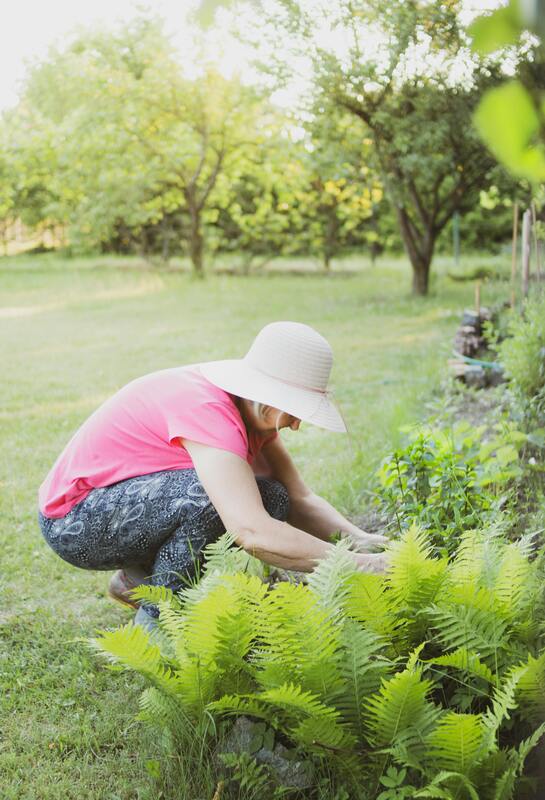
If any of these exercises causes pain, contact one of our team for further advice and treatment or book online. Do not leave it to go away on its own, the earlier the treatment is carried out the better. You should exercise and keep fit so that you can enjoy your gardening and other leisure activities, rather than using your gardening as an exercise to keep fit.
1. Bring a large pot of water to the boil and salt generously. Add the linguine and cook until just al dente. Drain, reserving a small cupful of the cooking liquid.
2. Meanwhile, heat a griddle pan until it is as hot as you can get it – it should be too hot to hold your hand over comfortably. Wash the asparagus, shake off the excess liquid and put on the griddle. Drizzle with a little olive oil and grill for 3–4 minutes on each side. Remove and slice each spear in half on the diagonal. 3. Melt the butter in the pasta pan then add the lemon zest. Turn the heat down as low as you can, then whisk the lemon juice and egg yolks into the butter, until you have an emulsion. Add some of the reserved pasta liquid, a tablespoon at a time, until you have a sauce the texture of single (light) cream – it should be silky-smooth and just coat the pasta when you add it without being cloying. Add the pasta and asparagus to the pan and toss to coat in the sauce. 4. Serve with plenty of black pepper and the cheese shaved over the top. Here’s one I made earlier! https://youtu.be/BF7eYnubh-g Enjoy!
Fay O'Mahony | Foot Health Practitioner, Ear Wax Removal Specialist
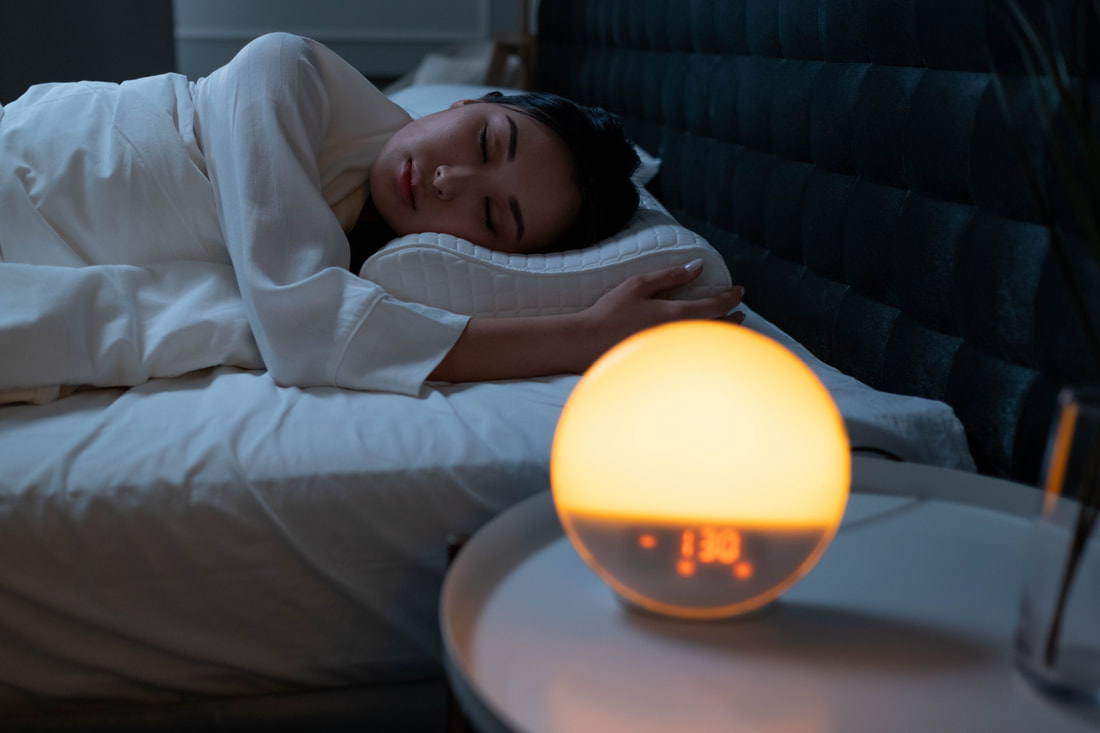
 What if back pain disturbs your sleep? Does your sleeping position help, or does it contribute to your pain and poor sleep? Our Clinic Director, Kristine Hagen offers some advice.
However, as many people find it uncomfortable to sleep on their back or they find it causes them to snore, try out the following postures and tips to help you find relief and a perfect night’s sleep. 1. Sleeping on the back with knee support Lying on the back is usually considered to be the best sleeping position for a healthy back. This position evenly distributes weight the full length of the body’s largest surface. It also minimizes pressure points and ensures good alignment of the head, neck, and spine. It makes breathing an easier task – don’t forget – we breathe the volume of an Olympic swimming pool every 24 hours, so a lot of this breathing work is done whilst you are asleep. Placing a bolster cushion under the knees can provide additional support and help maintain the natural curve of the spine. To adopt this sleeping position: Lie flat on your back facing the ceiling and avoid twisting your head sideways. Position a pillow to support your head and neck. Place the bolster cushion under your knees. For extra support, fill in any other gaps between your body and mattress (such as beneath the lower back), with additional pillows.
3. Sleeping in the foetal position Lying on the side with the knees tucked into the chest reduces bending of the spine and helps open up the joints. This is particularly helpful for those who have wear and tear (osteoarthritis) in the bottom of their spines. To adopt this sleeping position: Get into bed and carefully roll on to one side. Position a pillow to support your head and neck. Draw the knees up towards your chest until your back is relatively straight. 4. Sleeping on the front with pillow under the stomach Lying on the front of the body is usually considered the worst sleeping posture. However, those who habitually turn to sleep on their front may also want to try hugging a large pillow against their chest and stomach to aid sleep and keep their back aligned. Sleeping on the front may also benefit some people with a herniated disc (those who struggle to bend forward). This position can also help people with acute facet joint irritation. To adopt this sleeping position: Get into bed and roll on to your front. Place a slim pillow underneath your abdomen and hips to raise the mid-section. Use a flat pillow for your head or consider sleeping without one. 5. Sleeping on the front with the head face down
Often or not, when you sleep on the front, your head is usually turned to one side. This places further stress on the neck, shoulders, and back. To avoid this, place a firm pillow or tightly rolled-up towel to prop up your forehead, allowing room for you to breathe. This should be done in addition to placing a pillow under your stomach. To adopt this sleeping position: Get into bed and roll onto your front. Place a slim pillow underneath your stomach and hips to raise the middle of your body. Place a pillow or rolled-up towel under your forehead to create adequate breathing space between your mouth and the mattress. |
Get in Touch

01453 873811

Free Download
Gain access to our free Ultimate Motivation Guide and sign-up to our newsletter!
Archives
June 2024
Categories |






 RSS Feed